.svg)
Case Study

How an Amazon DSP replaced manual screening, weekly orientation calls, and time-consuming follow-up with HappyFleet’s AI recruiter.
F4L Trans is a high-volume Amazon Delivery Service Partner operating in a fast-moving labor market. With high turnover, seasonal hiring spikes, and applicants who often apply to multiple DSPs at once, the team needed a way to engage new candidates quickly and consistently. But their existing screening and orientation process depended heavily on manual outreach, scheduled group calls, and ongoing follow-up — all of which slowed candidates down and consumed a significant portion of the team’s week.
After adopting HappyFleet’s voice AI recruiter, the team transformed the earliest stages of hiring. Screening became instant. Orientation was automated. Follow-up happened automatically. What once required days of coordination and 10+ hours of manual work per week now happens within minutes.
Before HappyFleet, all early candidate screening was done manually by a recruiter or by Stephanie, depending on where the leads came from. Indeed candidates often arrived in large batches, which meant many applicants sat in the queue for days before hearing from someone.
Even when Stephanie tried to process leads multiple times per week, the nature of batch inflow meant applicants frequently waited 2–7 days for initial communication.
“Sometimes leads would sit for a couple days to a week.”
— Stephanie, Hiring Manager
In a frontline labor market where candidates expect fast responses, these delays led to immediate drop-off. Many applicants simply moved on to whichever DSP responded first.
After the initial screening, candidates were directed into group orientation calls held once or twice per week. While the calls themselves lasted only 15–20 minutes, they were difficult and time-consuming to coordinate.
Stephanie spent hours each week managing:
Because these calls depended on a specific time and the availability of both candidates and the team member hosting them, the system was fragile. If someone lost cell service, was traveling, or simply forgot, the entire group needed to be rescheduled — multiplying the workload.
“The biggest struggle was miscommunications. If a call didn’t happen, I had to keep rescheduling the same people.”
Across a typical week, Stephanie spent 10+ hours coordinating these early steps — before candidates even reached onboarding.
Even once candidates completed orientation, the process wasn’t done. Stephanie still had to:
These steps involved one-on-one texting, repeated reminders, and constant monitoring of who responded and who didn’t. Combined with delays earlier in the process, this created even more opportunities for candidates to lose interest or stop responding.
F4L Trans wasn’t losing candidates because they were a poor fit — they were losing them to timing, friction, and the cumulative effect of multiple manual handoffs.
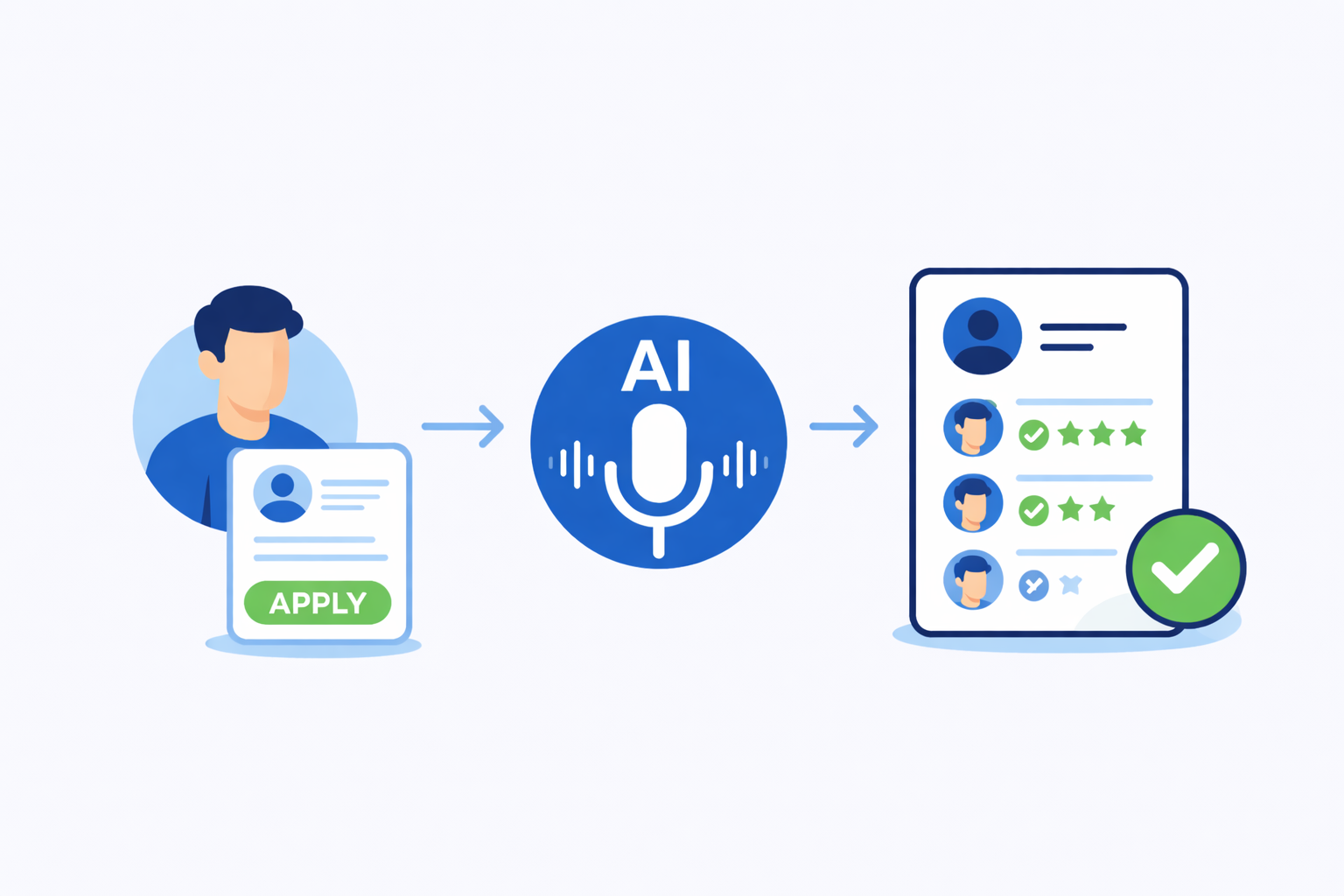
With HappyFleet, applicants are interviewed automatically the moment they apply. The AI-powered phone screen starts instantly, without anyone on the team having to reach out, schedule, or coordinate.
Instead of waiting several days to be contacted, candidates receive an immediate phone interview — a change that dramatically improved early-stage engagement.
What previously took 2–7 days now happens within minutes, helping F4L Trans act on new applicants while they’re still motivated.
HappyFleet’s AI delivers the job overview, role details, expectations, and required information automatically. This eliminated the need for weekly Zoom sessions altogether, along with all the coordination that came with them.
This change removed the single largest source of operational bottlenecks:
“I don’t have to worry about scheduling people for calls. That’s definitely a benefit.”
For the first time, every candidate received the same consistent, on-demand orientation experience.
HappyFleet didn’t just replace the screening and orientation steps — it also streamlined everything that happens afterward. Once candidates complete their AI phone interview, Stephanie is notified instantly and can review their results in the dashboard within minutes.
For candidates who pass, F4L Trans configured automated follow-up messages that send immediately after the interview. These messages outline the next steps in the hiring process and give candidates clear instructions without requiring Stephanie to text, remind, or manually guide them through what to do next.
Instead of juggling individual conversations or tracking each candidate’s status across texts and emails, HappyFleet centralizes all post-screening activity in one place:
With this automation in place, Stephanie no longer has to manually send follow-up messages at all — the system handles it the moment a candidate passes, ensuring faster responses, fewer delays, and far less drop-off.
Candidates are engaged immediately instead of waiting for the next scheduled call.
HappyFleet replaced manual screening, orientation calls, and post-call follow-up — the three biggest time drains.
Faster engagement and instant follow-up keep more candidates moving forward.
Applicants receive timely communication, and the hiring team no longer manages the repetitive administrative load.
“It’s nice to have one step where I don’t have to manage everybody’s schedules. HappyFleet removed the biggest delays.”
Hiring for DSP roles moves quickly, and delays in the early screening stage can cause even strong candidates to drop off. Before HappyFleet, F4L Trans struggled not with finding applicants, but with the time and coordination required to move them forward.
By replacing manual screening, weekly orientation calls, and slow follow-up with instant AI interviews and real-time notifications, HappyFleet gave the team back more than ten hours each week and removed the biggest points of friction from their process. Candidates now move forward immediately, and Stephanie no longer has to manage the scheduling bottlenecks that once dominated her workload.
For high-volume teams operating on tight timelines, HappyFleet makes early-stage hiring faster, simpler, and far more reliable.